Multi-Modal Sensor Fusion — Temperature, Gas, Smoke as One Decision
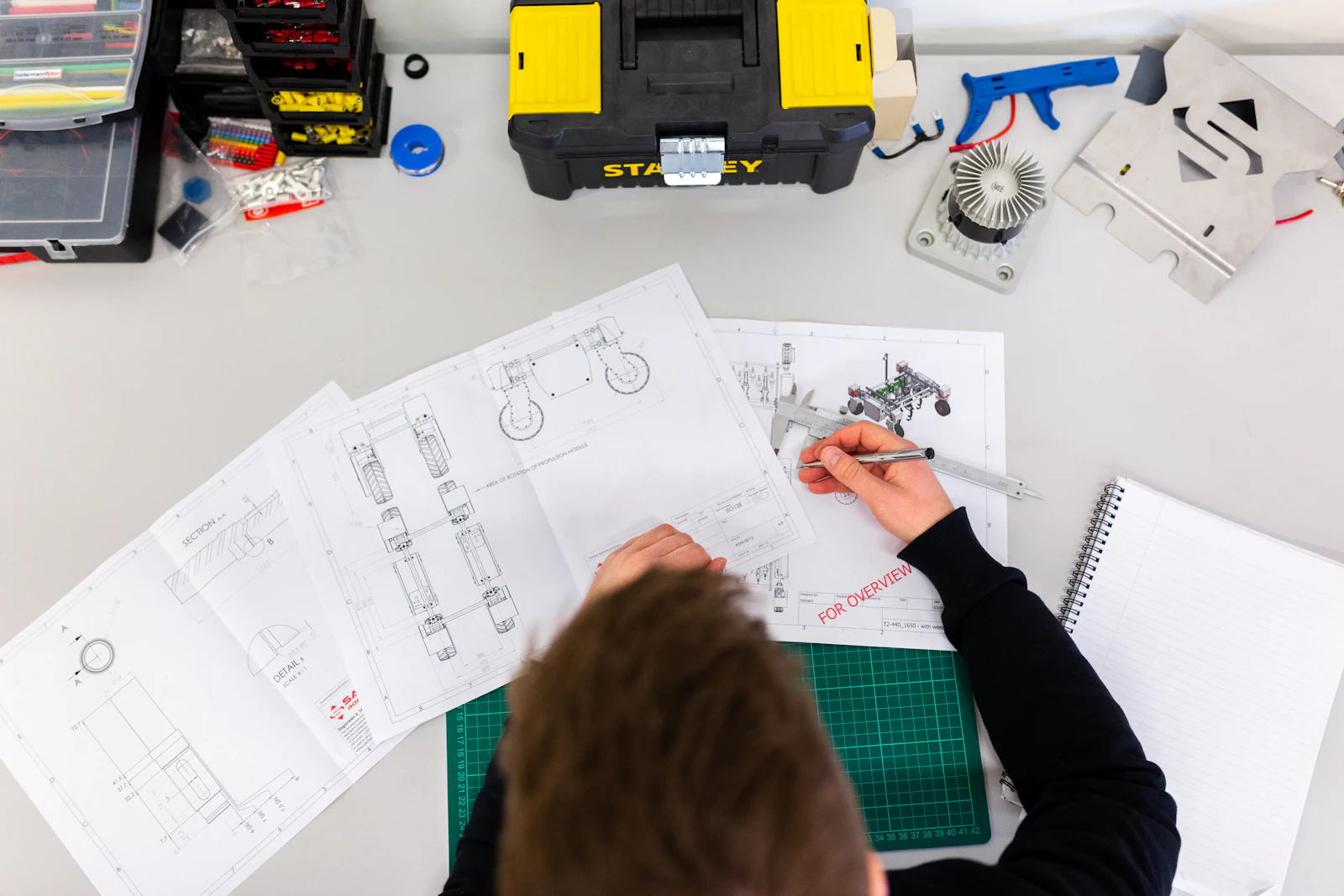
Each sensor modality has different blind spots. Multi-modal fusion is not a buzzword — it is the only architecture that survives the marine failure modes.
A single-modality detector has a single failure mode that can take the layer offline. A thermal grid alone is degraded by occlusion. A gas mesh alone is degraded by ventilation. A camera alone is degraded by smoke obscuration. Fusion is not a marketing claim — it is the answer to the question "what happens when one layer is wrong?"
What fusion looks like
Each modality runs independently with its own anomaly detector. A fusion stage aggregates the signals with weights that reflect each sensor's confidence at that moment, and produces a single trust state — green, amber, red. The fusion logic is rule-based, not learned, because the decision has to be auditable.
Why rules, not models, for the trust state
- Auditable behaviour under class-society scrutiny.
- Predictable response when one sensor is in known failure (e.g. occluded camera).
- Inspectable test methodology against fixed event catalogue.
The weighting scheme
- Per-vehicle thermal grid: highest weight when ambient is stable, lower under solar gain.
- Gas sensing: highest weight in sealed compartments and low-ventilation states.
- Video analytics: highest weight on access lanes and ramps.
- Fiber-optic LHD: highest weight on weather decks and open spaces.
Continue the thread

The Four Stages of Li-Ion Thermal Runaway — and What Each Implies for Detection
Stage 1 is invisible. Stage 4 is unrecoverable. Detection technology that wants to matter operates between Stages 1 and 2 — not between Stages 3 and 4.
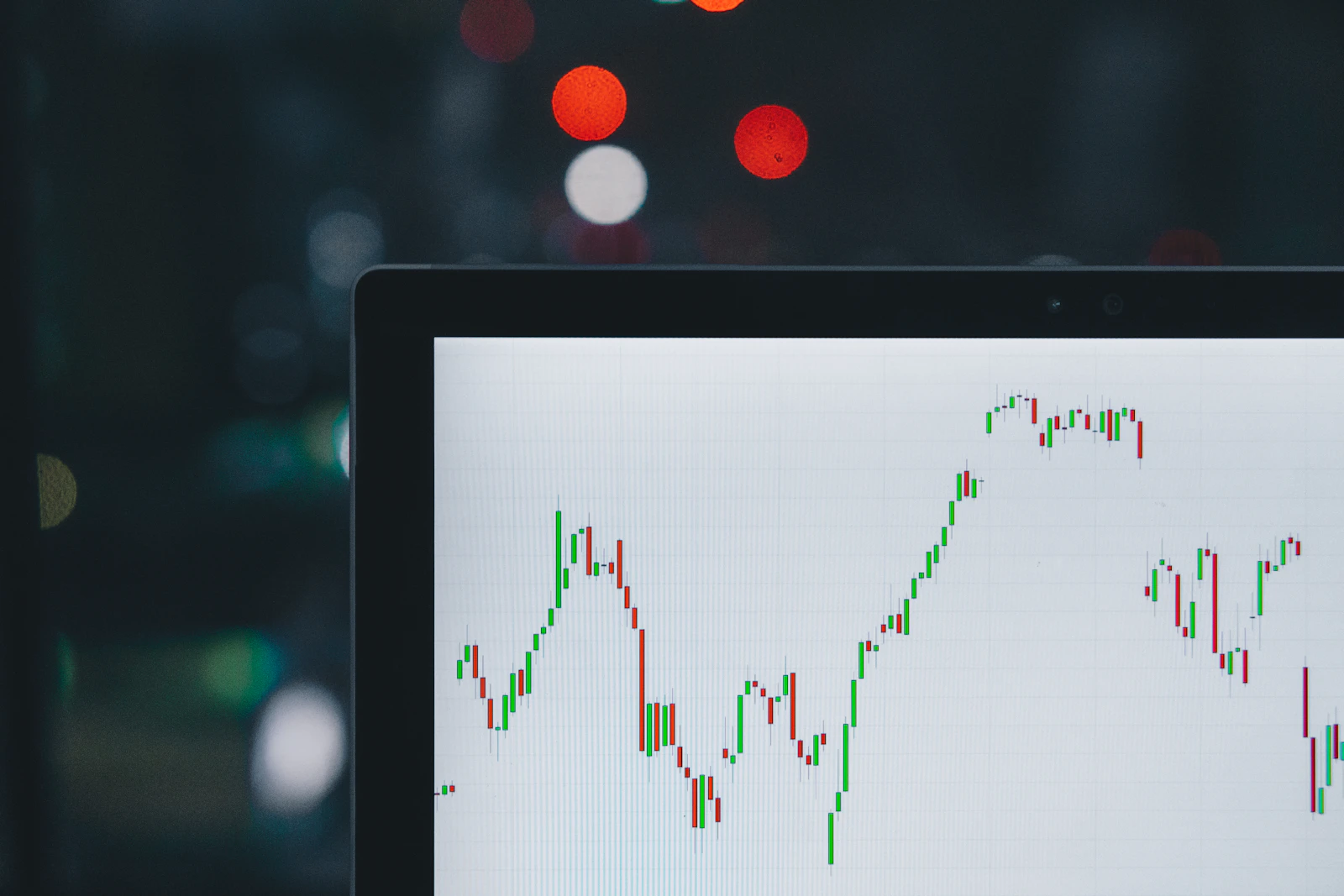
Where AI Anomaly Detection Helps — And Where Rules Still Win
We use both. The interesting question is which decisions belong to which approach. The split is not where most marketing decks would put it.
Video Analytics on Vehicle Decks — As a Secondary, Not a Primary
CCTV with smoke- and flame-classification analytics is increasingly bundled with detection systems. It belongs in the stack — just not at the top of it.