
The EV-Percentage Tipping Point Nobody Wants to Quote
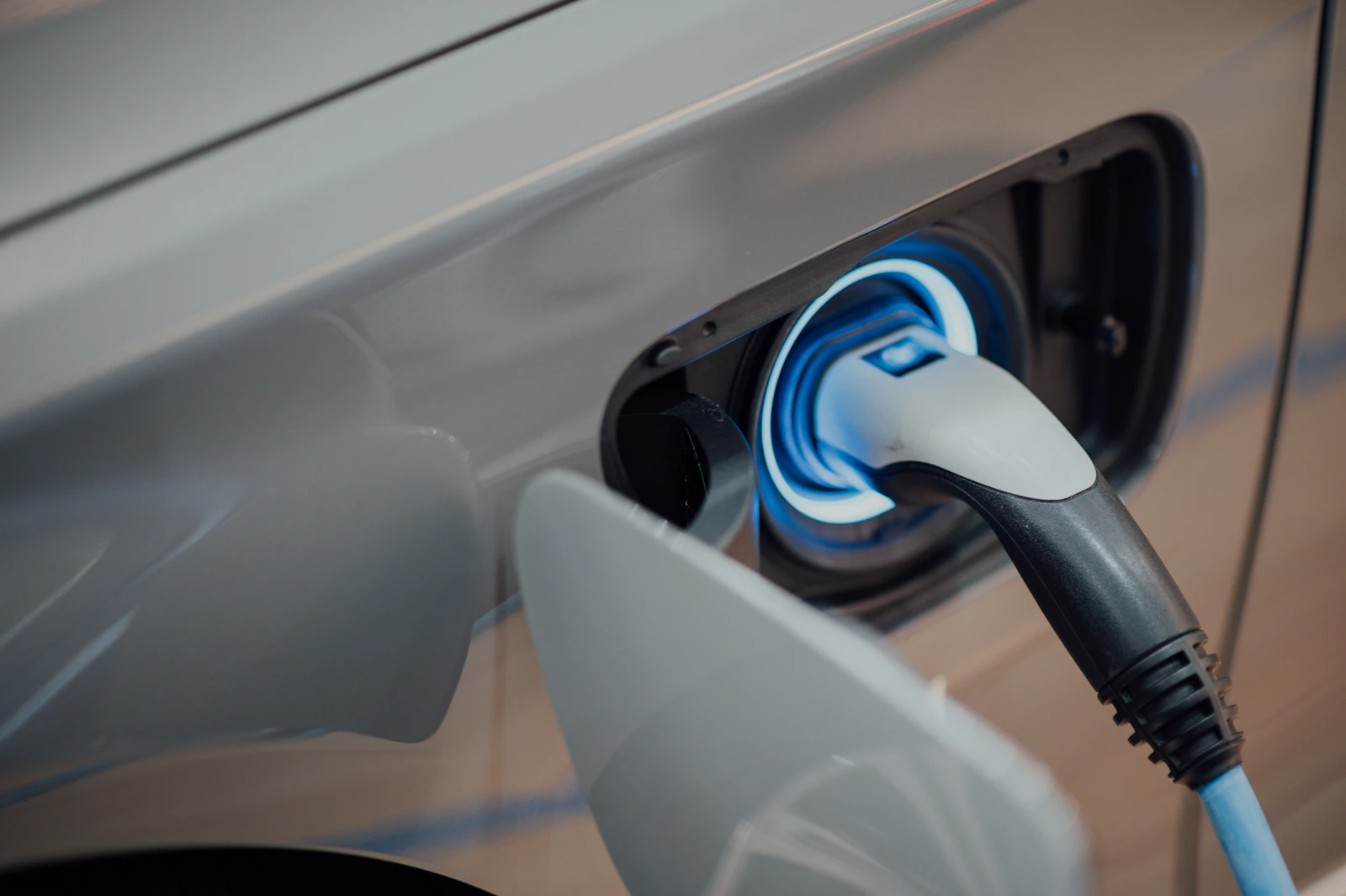
Public statements from operators talk about "mixed cargo" — internally the conversation is about a hard percentage above which sailings should be re-routed. That number is moving.
In private operator briefings we hear the same number repeatedly: 30%. Above 30% battery-electric vehicles in the cargo manifest, internal risk policies start to flag the sailing for additional review. A year ago that line was at 50%.
Why the line is moving
Two things are happening simultaneously. First, the EV share of new-vehicle exports from major manufacturing countries is climbing past 40% on some routes. Second, suppression-system capability has not improved — most cargo decks still rely on legacy gas-flooding systems rated for hydrocarbon, not battery, fires.
What operators are doing about it
- Splitting EV cargo across more sailings to keep per-deck percentages low.
- Negotiating EV-only routings on dedicated tonnage.
- Investing in detection layers that change the underwriting math.
The third path is where we see the most movement in 2026 — because it changes the conversation with the underwriter rather than the manufacturer.
Sources
- ACEA — EU Passenger Car Registrations and Exports data, 2025–2026.
- IUMI — "Risk mitigation for the safe ocean and short-sea carriage of electric vehicles" (Sept 2025 revision).
- NFPA 855 — "Standard for the Installation of Stationary Energy Storage Systems," for Li-ion suppression context.
- Vehicle Carrier Safety Forum (VCSF) — published guidance (2024–2025).
- [VERIFY: 30% operator-internal review threshold (2026) and 50% (2025) — operator-private policy ranges from briefing notes; no consolidated public disclosure.]
- [VERIFY: "42% EV share, EU vehicle exports H1 2026" — pending confirmation against ACEA / EU Eurostat H1 2026 release.]