
Multi-Fuel PCTCs Change What the Deck Looks Like Thermally
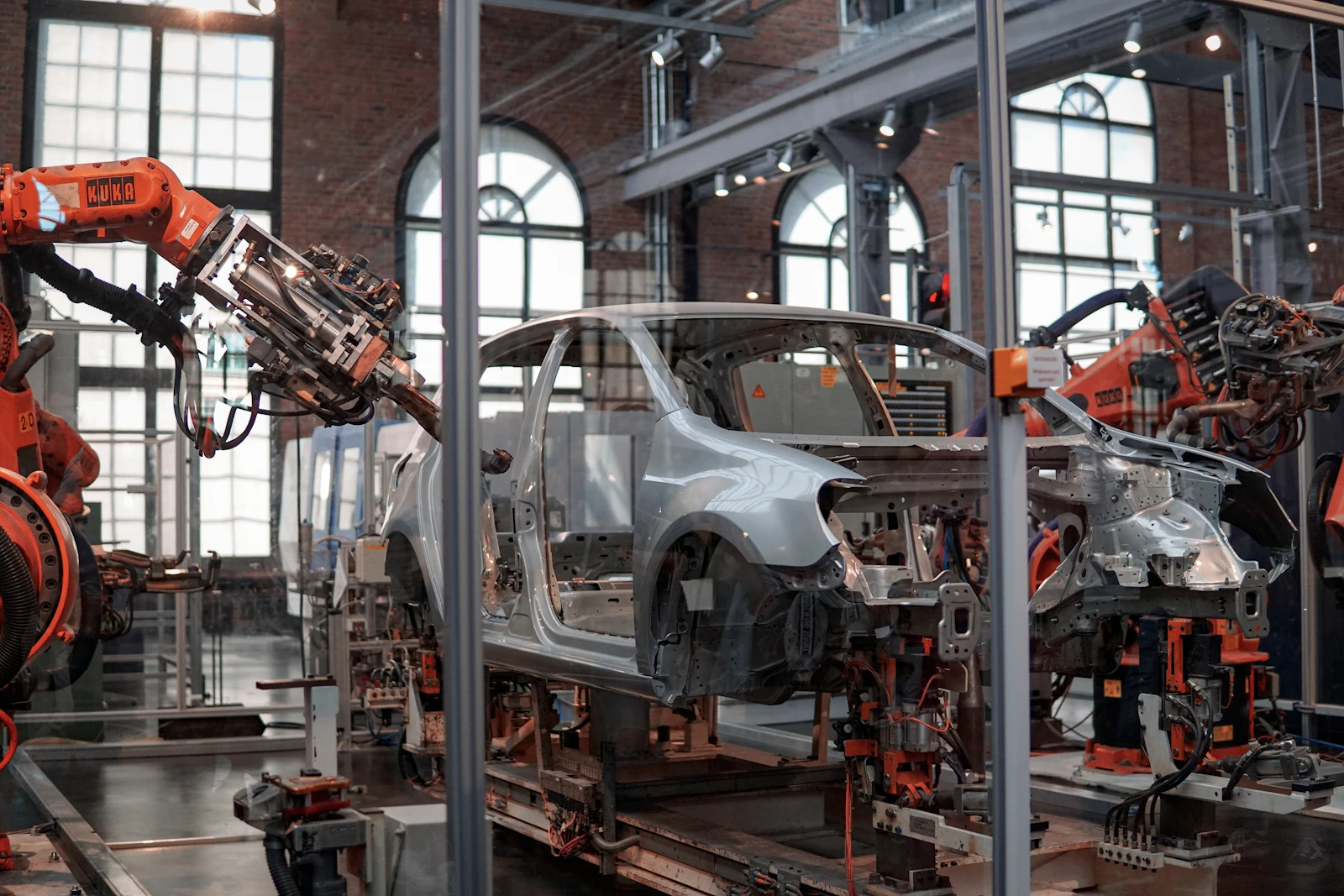
Aurora-class, LNG-fuelled, methanol- and ammonia-ready hulls bring new thermal profiles to vehicle decks. The detection baseline is not the same as on a conventional PCTC.
Höegh Autoliners' Aurora-class is the visible face of a new generation: 9,100-CEU PCTCs, 14 decks, multi-fuel propulsion ready for LNG, methanol, and ammonia. Hyundai Glovis is taking delivery of 10,000-CEU tonnage built in China on a similar architecture. The detection layer on these vessels is not facing the same thermal baseline as on a 2000s-built conventional PCTC.
What changes thermally
- LNG and ammonia bunker areas introduce new thermal gradients adjacent to vehicle decks.
- Heavier electrical loads (solar arrays, larger HV bus) increase deck-level baseline temperatures.
- EV-capable strengthening on every deck (Aurora-class carries EVs on all 14) means baseline EV percentage on these vessels can be very high.
- Lift-deck and ramp geometry changes occlusion patterns that line-of-sight detection assumes.
What the detection layer has to adapt
Per-vehicle baselines have to be calibrated against the new ambient envelope. Coherence windows need re-tuning for the multi-fuel deck thermal pattern. And the system has to be ready to differentiate a bunker-area thermal anomaly from a vehicle-area one — they are not far apart on a modern multi-fuel PCTC.
Sources
- Höegh Autoliners — Aurora-class public vessel information and press releases.
- Hyundai Glovis — Newbuild programme announcements (2024–2025).
- DNV — "Alternative Fuels Insight" maritime reports.
- Lloyd's Register — "Future-Fuels Vehicle Carriers" technical briefings.
- TradeWinds and Lloyd's List — newbuild order coverage for multi-fuel PCTCs.
Continue the thread

PCC vs PCTC — Why Detection Looks Different on Each
Pure car carriers and pure car & truck carriers share the same casualty headlines but not the same cargo geometry. The detection problem shapes itself accordingly.
Detection Implications of Ammonia-Ready PCTCs
Ammonia fuel storage adjacent to vehicle decks creates new chemical and thermal context. The detection layer has to coexist with ammonia leak-detection.